Wisdom Teeth Extraction
Safe, expert removal of wisdom teeth with advanced imaging, sedation options, and personalized aftercare for a smooth recovery.
Why Wisdom Teeth Need Removal
Wisdom teeth, or third molars, are the last teeth to develop and usually emerge between ages 17 and 25. For most people, there is not enough room in the jaw for these teeth to erupt properly. When wisdom teeth become impacted, partially erupted, or misaligned, they can cause pain, infection, crowding, and damage to neighboring teeth. Proactive removal prevents these complications and protects your long-term oral health.
- Prevents crowding and protects orthodontic results
- Eliminates risk of cysts and infection
- Advanced 3D imaging for precise surgical planning
- Sedation options for maximum comfort
Warning Signs You Need Extraction
If you are experiencing any of these symptoms, it may be time to have your wisdom teeth evaluated.
Persistent Pain
Recurring or constant pain in the back of the jaw, especially when chewing or opening the mouth, often indicates wisdom teeth that are impacted or erupting improperly.
Swelling and Tenderness
Swollen, red, or tender gums at the back of the mouth can signal a partially erupted or infected wisdom tooth that requires attention.
Crowding and Shifting
Wisdom teeth can push against neighboring molars as they attempt to erupt, causing crowding, misalignment, and undoing years of orthodontic work.
Infection or Decay
Partially erupted wisdom teeth create pockets where bacteria accumulate, leading to pericoronitis, cysts, or decay that can damage surrounding teeth and bone.
The Extraction Process
Evaluation with X-Ray
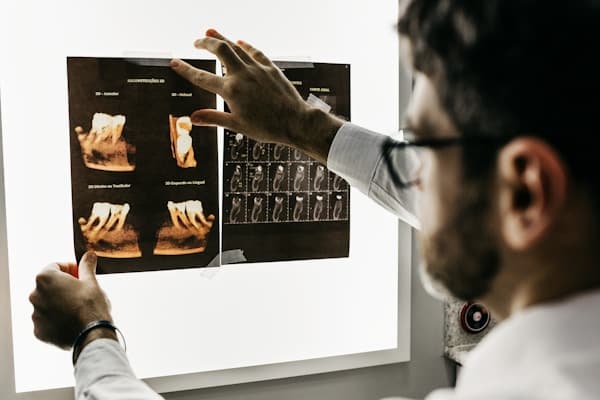
We take panoramic and 3D X-rays to assess the position, angulation, and proximity of your wisdom teeth to nerves and sinuses. This imaging guides our surgical plan.
Anesthesia and Sedation
Based on your comfort level and the complexity of the extraction, we administer local anesthesia along with your chosen sedation option for a pain-free experience.
Surgical Extraction
Using precise, minimally invasive techniques, we carefully remove the wisdom teeth. Impacted teeth may require a small incision in the gum tissue and bone removal.
Recovery and Follow-Up
We place dissolvable sutures if needed and provide gauze to control bleeding. You receive detailed aftercare instructions, prescriptions, and a follow-up appointment.
Recovery Tips
Follow these guidelines for a smooth, comfortable recovery after wisdom teeth removal.
Do
- Rest for 24 to 48 hours and keep your head elevated
- Apply ice packs in 20-minute intervals to reduce swelling
- Eat soft foods like yogurt, smoothies, mashed potatoes, and soup
- Gently rinse with warm salt water after 24 hours
- Take prescribed medications on schedule
- Stay hydrated with water and clear fluids
Do Not
- Use a straw for the first 72 hours (can cause dry socket)
- Smoke or use tobacco products for at least one week
- Eat hard, crunchy, or spicy foods until cleared
- Vigorously rinse, spit, or brush the extraction site
- Engage in strenuous physical activity for 3 to 5 days
- Skip your follow-up appointment
Wisdom Teeth Extraction FAQ
Your next steps
Explore your care in Garland & Greenville, Texas
Garland, TX office
Find our Firewheel office, hours, and directions.
Greenville, TX office
Plan your visit to our East Texas location.
Financing your care
Explore payment options and discuss your treatment estimate.
Meet our periodontal team
Get to know our specialists before your consultation.



Concerned About Your Wisdom Teeth?
Schedule an evaluation with our specialists to determine the best course of action.