Gum Disease Treatment
Comprehensive care for every stage of periodontal disease -- from early gingivitis to advanced periodontitis.
Understanding Gum Disease
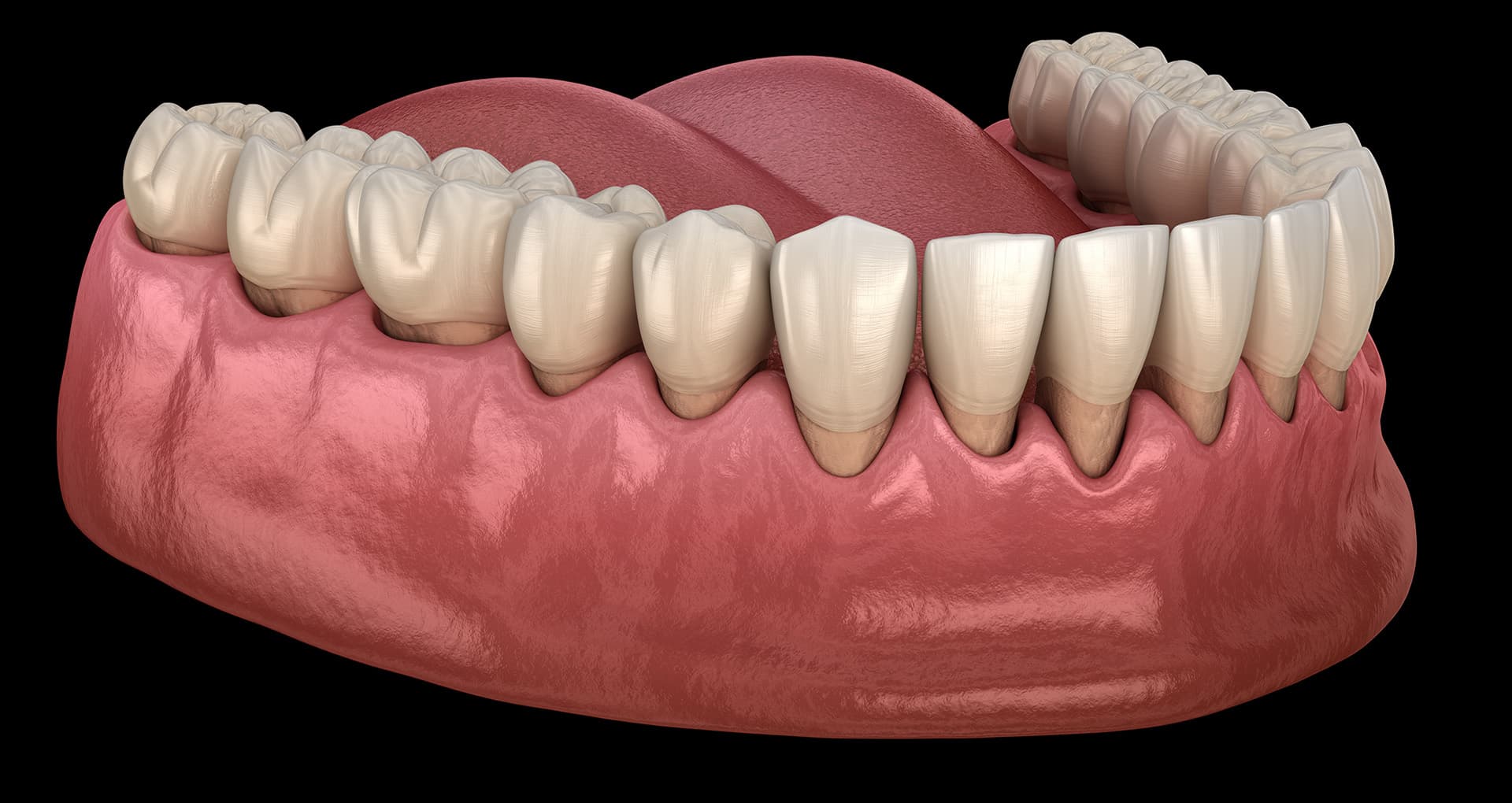
Periodontal (gum) disease is a progressive bacterial infection that attacks the gums, bone, and supporting structures of your teeth. It begins as gingivitis -- mild inflammation characterized by red, swollen gums that bleed easily. Without treatment, gingivitis advances to periodontitis, where the inner layer of gum pulls away from the teeth, forming pockets that collect bacteria and debris. Over time, the body's immune response combined with bacterial toxins breaks down bone and connective tissue, eventually leading to tooth loss.
- Gingivitis: early, reversible stage with mild inflammation
- Early Periodontitis: gum pockets form, early bone loss begins
- Moderate Periodontitis: significant bone loss, deepening pockets
- Advanced Periodontitis: severe bone loss, loose teeth, potential tooth loss
Warning Signs of Gum Disease
Gum disease is often painless in its early stages. Recognizing these warning signs early can save your teeth and prevent serious health complications.
Red, Swollen, or Tender Gums
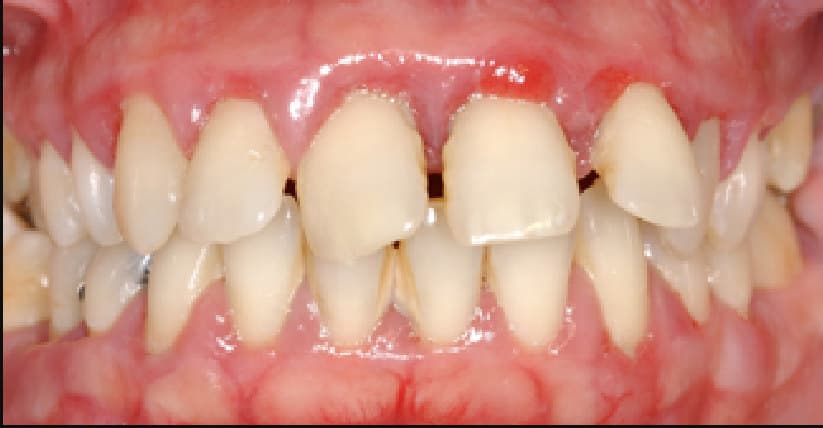
Healthy gums are firm and pale pink. If your gums appear red, puffy, or feel tender to the touch, this is often the earliest sign of gum inflammation.
Bleeding When Brushing or Flossing
Gums that bleed during routine oral hygiene are not normal. Even occasional bleeding is a warning sign that should be evaluated by a periodontist.
Persistent Bad Breath
Chronic halitosis that does not improve with brushing and mouthwash may indicate bacterial infection deep below the gumline in periodontal pockets.
Receding Gums
When gums pull away from the teeth, exposing more of the tooth or root surface, it creates pockets where bacteria can accumulate and cause further damage.
Loose or Shifting Teeth
As gum disease destroys the bone and connective tissue supporting your teeth, they may become loose, shift position, or change the way your bite fits together.
Pus Between Teeth and Gums
The presence of pus or discharge between your teeth and gums is a sign of active infection that requires immediate professional attention.
Treatment Options
We offer a full spectrum of periodontal treatments, from conservative non-surgical therapies to advanced surgical procedures, tailored to the stage and severity of your condition.
Scaling & Root Planing
A deep cleaning procedure performed under local anesthesia. Specialized instruments remove plaque and tartar from below the gumline, and root surfaces are smoothed to help gums reattach to the teeth.
Antibiotic Therapy
Targeted antimicrobial treatments including locally-applied antibiotics placed directly into periodontal pockets, or systemic antibiotics for more widespread infection, to eliminate bacteria and support healing.
Laser Therapy (LANAP)
Laser-Assisted New Attachment Procedure uses specialized laser energy to selectively remove diseased tissue while preserving healthy gums. Promotes bone regeneration with less pain and faster healing than traditional surgery.
Periodontal Surgery
For advanced cases, surgical procedures including flap surgery, pocket reduction, and guided tissue regeneration may be necessary to access deep pockets, remove tartar deposits, and regenerate lost bone and tissue.
Our Treatment Process
Comprehensive Evaluation
Full periodontal examination including probing depths, digital X-rays, and 3D imaging to accurately assess the stage and severity of gum disease.
Personalized Treatment Plan
Based on your evaluation, we create a customized plan that may include non-surgical therapies, laser treatment, or surgical intervention depending on disease severity.
Active Treatment
We perform the recommended treatments -- from deep cleanings and antibiotic therapy to advanced laser or surgical procedures -- to eliminate infection and restore gum health.
Maintenance & Monitoring
Regular periodontal maintenance visits every 3 to 4 months to monitor healing, prevent recurrence, and maintain the results of your treatment long-term.
Adults Over 30 Affected
Adults Over 65 Affected
Americans with Periodontitis
Cause of Adult Tooth Loss
Gum Disease FAQ
Your next steps
Explore your care in Garland & Greenville, Texas
Garland, TX office
Find our Firewheel office, hours, and directions.
Greenville, TX office
Plan your visit to our East Texas location.
Financing your care
Explore payment options and discuss your treatment estimate.
Patient stories from our practice
Explore documented treatment journeys. Individual treatment plans and outcomes vary.
Meet our periodontal team
Get to know our specialists before your consultation.



Do Not Wait Until It Is Too Late
Early detection is key. Schedule a periodontal evaluation to protect your smile.